
What Airbag Suspension Kit Installation Really Costs

Last Updated: November 14, 2026
Quick Summary
The airbag suspension kit installation cost depends on the kit and labour, since the box price is only part of the bill. Vehicle-specific kits cost $745 and universal kits $545, with labour charged on top by whoever fits it. Ask for the hourly rate, estimated hours and shop fees in writing before you book.
- Universal kits cost $545 and vehicle-specific kits cost $745, with airline, fittings and valves included.
- Labour is billed hourly, so multiply the shop's rate by the estimated hour count.
- Shop fees can include consumables, fabrication, wheel alignment and engineering certification.
- DIY fitting removes the labour charge but risks leaks at fittings and airline routing.
- The MaxAir onboard air system starts at $488, and the Airbag Inflation Kit costs $530.
Table of Contents
- The Installed Price at a Glance
- Airbag Suspension Kit Price: What the Box Costs
- Airbag Suspension Installation Labour Cost and Shop Fees
- DIY Airbag Suspension Installation: What You Save and Risk
- Adding an Airbag Suspension Kit with Compressor
- Full Air Ride or Helper Air Bags: Which Bill Are You Paying?
- Ongoing Costs Nobody Quotes You
- Getting a Written Quote from Thor Air Suspension
- Frequently Asked Questions
The Installed Price at a Glance
Most 4WD owners budget for the box and forget the fitting, so the true airbag suspension kit installation cost is usually higher than the sticker price suggests. A vehicle-specific kit sits at $745, a universal kit at $545, and labour is charged on top by whoever fits it. Below, we break down every line item so you can walk into a workshop knowing what the final invoice should look like.
Airbag Suspension Kit Price: What the Box Costs
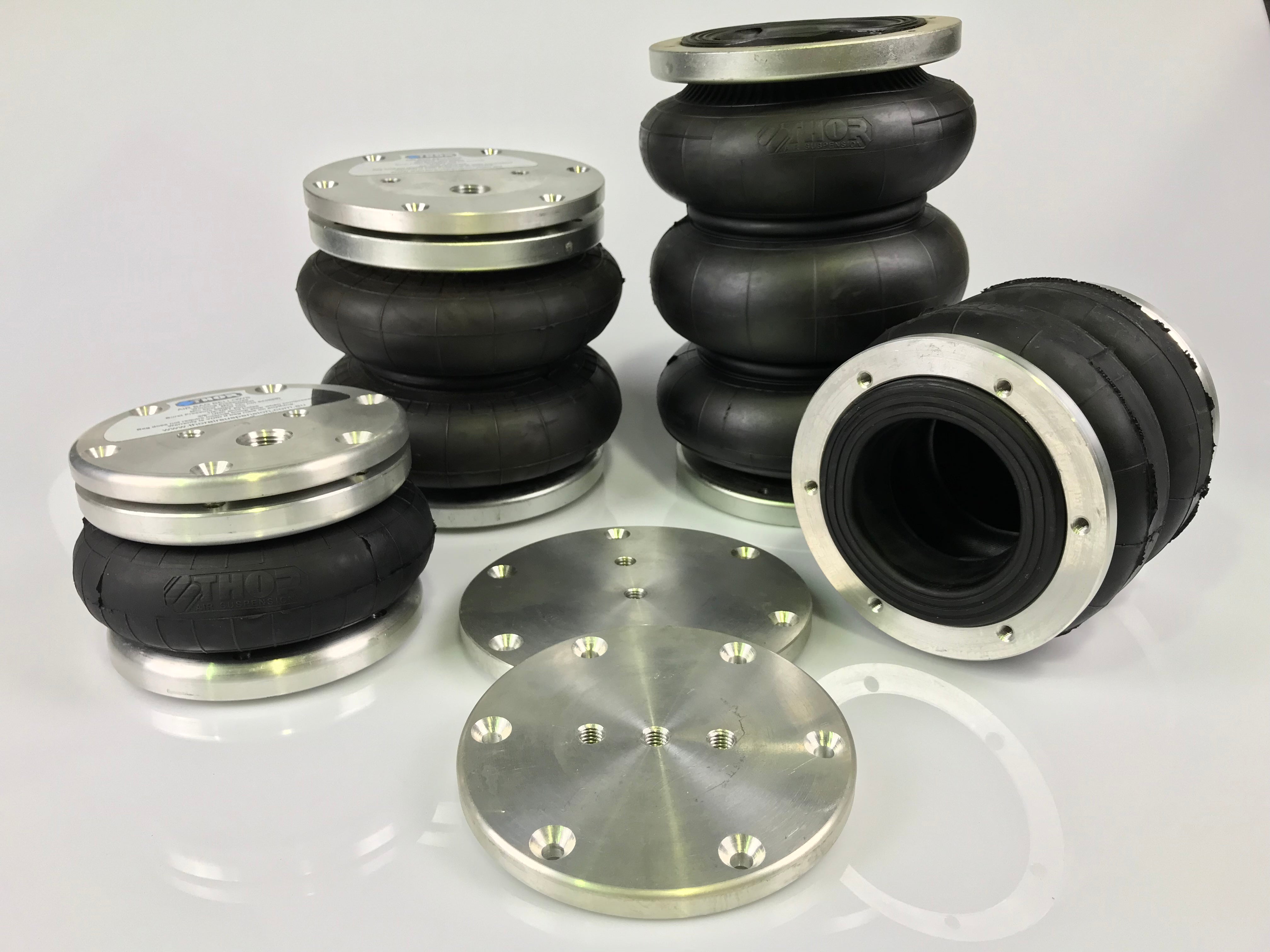
The kit itself is the only part of the bill you can price exactly before you start. Our load assist kits are built around Australian-made 6mm steel brackets and 2500-pound bellows, with airline, fittings and Schrader valves included.
| Kit | Price | Best For | Included |
|---|---|---|---|
| Universal Kits | $545 | Vehicles with no specific listing | Two bellows, brackets, airline, fittings, valves |
| Ford Ranger, Super Duty, F250 | $745 | Ranger, F250/F350, Courier, Falcon, Transit | Model-specific brackets, bellows, hardware, valves |
| Toyota Hilux, LandCruiser & FJ40 | $745 | Hilux, Hiace, LandCruiser, FJ40 | Model-specific brackets, bellows, hardware, valves |
Price
The price gap between $545 and $745 reflects the difference between a universal kit and a vehicle-specific kit.

Vehicle-specific versus universal kits
A universal kit can be adapted to any vehicle that a specific load assist kit is not available for. If your vehicle has a specific listing, consider it.
Readers comparing kit costs can browse the universal kits to see the full range of bellows sizes and travel options.
Airbag Suspension Installation Labour Cost and Shop Fees
Labour is the line item that moves most, and it is the one most quotes gloss over. A straightforward vehicle-specific kit on a common ute is typically a few hours of work for a competent fitter. A universal kit, a lifted vehicle, or a model needing drilling takes longer, and workshops bill by the hour. The useful question is not the hourly rate on its own but the hour count multiplied by it, plus the shop fees that sit alongside.
Translating hourly rates into an installed labour estimate
Rather than quote a single figure, build the estimate from the tasks the job actually contains:
| Task | Typical hours | What drives the variance |
|---|---|---|
| Raise and support vehicle, remove wheels | 0.3-0.5 | Lift height, wheel size, rusted fasteners |
| Fit bellows and brackets to existing springs | 1.0-2.0 | Vehicle-specific bolt-on versus universal adaptation |
| Drill or fabricate mounting points | 0-2.0 | Whether the chassis has pre-existing holes and captive nuts |
| Route airline and fit Schrader valves | 0.5-1.0 | Chassis layout, heat shielding near exhaust |
| Wire compressor and cab switches (if fitted) | 1.0-2.5 | Whether a loom is pre-terminated or made up on the day |
| Pressure test, leak check, road test | 0.5-1.0 | Number of joints and fittings |
| Wheel alignment check (recommended after load change) | 0.5-1.0 | Whether alignment is included or billed separately |
Shop fees and the costs that appear beside labour
Labour may not be the only charge on the invoice. Ask your installer whether each of the following is included or added:
- Consumables and disposal: workshop rags, sealants, and disposal of old components.
- Fabrication and drilling: if brackets must be modified or holes drilled, some shops bill this as a separate fabrication line rather than absorbed labour.
- Wheel alignment: a load change alters rear ride height, so an alignment check is sensible and is often billed separately.
- Compliance and engineering: if the installation changes the vehicle's suspension in a way that requires certification in your state or territory, an engineering signatory or modification permit can add a separate fee. Confirm with your installer and your state or territory transport authority before booking, because requirements differ.
- Administration and environmental levies: small per-job charges that appear on some invoices.
Ask for the hourly rate, an estimated hour count, and an itemised list of shop fees in writing before you book. A shop that will not put hours on paper is a shop that will surprise you.
DIY Airbag Suspension Installation: What You Save and Risk
Fitting a load assist kit yourself removes the labour charge entirely, and on a vehicle-specific kit most of the work bolts on with basic hand tools. What it costs you is time, tooling, and the risk of a leak you cannot see.
What you actually need in the shed
A vehicle-specific load assist kit is within reach of a competent home mechanic with a modest tool kit. Expect to use:
- A trolley jack and axle stands, or ramps, rated for the vehicle's loaded weight.
- A socket and spanner set covering the bracket and bellows fasteners.
- A torque wrench, because bracket and bellows fasteners should be set to the kit's specified torque rather than guessed.
- A drill and bits if your model needs holes drilled, check the instructions before you start, because not every listing is a pure bolt-on.
- A knife or tube cutter for airline, and a pressure gauge for setting and checking bag pressure.
- Soapy water in a spray bottle for leak detection.
A compressor and cab switch install adds electrical work: crimpers, terminals, a fuse tap or dedicated circuit, and the patience to route a loom through a firewall grommet without chafing it.
Realistic time and the failure modes that bite
Universal kits and vehicles with rusted or seized hardware take longer, and a snapped fastener can turn an afternoon into a weekend.
The failures that matter are rarely the bellows themselves. They are the connections and the routing:
- Airline routed too close to the exhaust or moving suspension parts can melt or chafe through, producing a slow leak that only shows under load.
- Push fittings not seated fully leak under pressure. A single poorly seated fitting can let the rear sag on the highway with a trailer behind it.
- Brackets torqued to guesswork rather than specification can loosen or distort the spring seat.
- Compressor wiring without a fuse or with an undersized circuit is a fire risk, not just an inconvenience.
Watch out: pressure-test the system with soapy water at every joint before you load the vehicle, then re-check after the first loaded trip.
Our kits ship with installation instructions and an assembly video covering fitting tips and troubleshooting advice.
Adding an Airbag Suspension Kit with Compressor
Manual inflation through Schrader valves costs nothing extra and works fine if you set pressures once per load. Adding a compressor changes the ownership experience, and it changes the total bill.
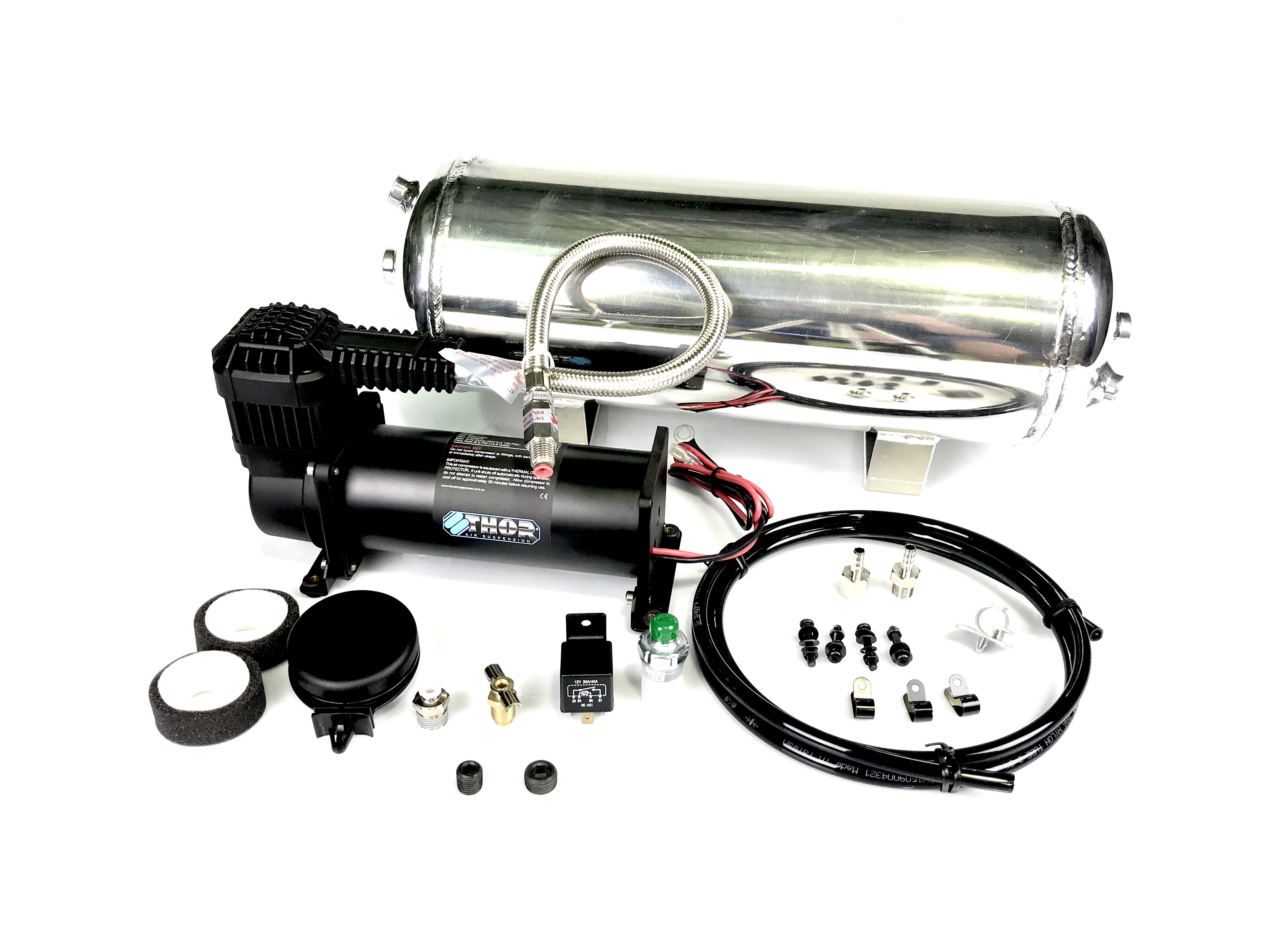
Our MaxAir onboard air system starts at $488 and lets you choose a compressor and a 3, 9 or 15 litre air tank to inflate bags, refresh tyres and operate pneumatic tools. The Airbag Inflation Kit at $530 handles cab-controlled bag adjustment without an air tank.
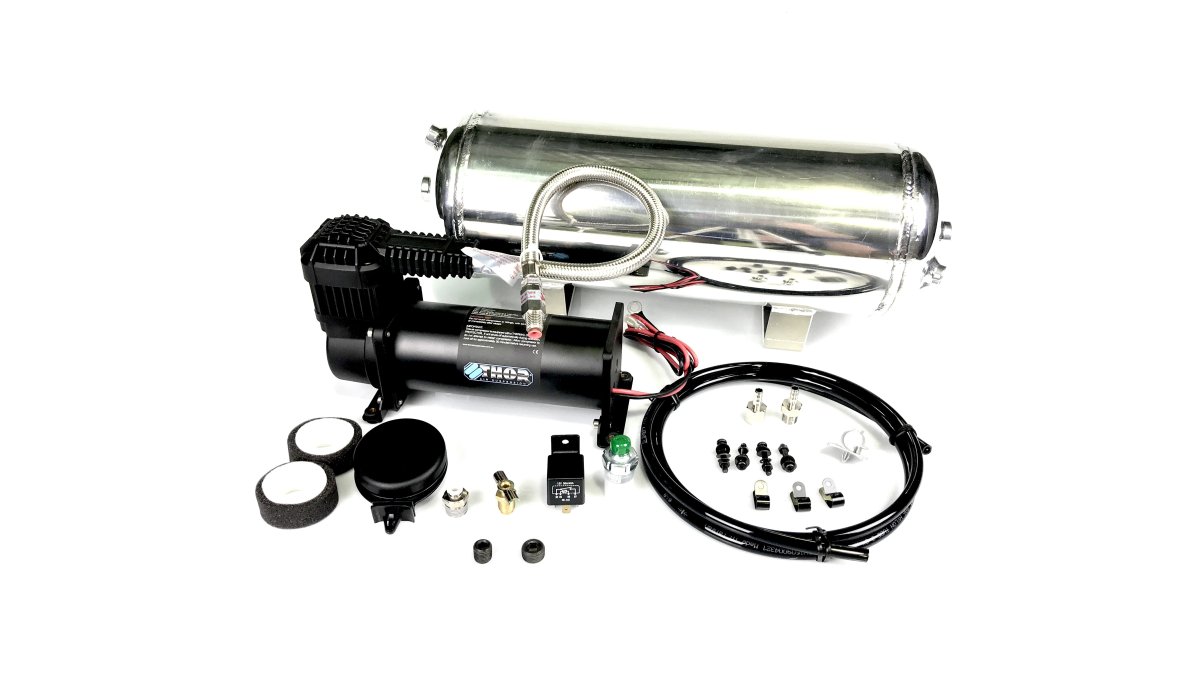
See the MaxAir onboard air system for compressor and tank configurations.
Full Air Ride or Helper Air Bags: Which Bill Are You Paying?
Helper air bags and a full air ride system are two different products with two different bills, and mixing them up is the most common costing mistake we see. Helper air bags are load assist bellows that sit inside or alongside the existing springs and restore ride height under load. A full air ride system replaces the springs entirely with air springs and full management.
Helper bags are the cheaper, simpler option and suit occasional towing. Full air ride delivers adjustable suspension across the whole range but carries a far larger parts and installation bill. Most ute and caravan owners towing a few times a year are better served by load assist. Be clear which one you are quoting before you compare prices.
Ongoing Costs Nobody Quotes You
The purchase invoice is not the last money you spend. Air springs are a wear item, airline and fittings can perish, and compressors need filters and occasional attention. Budget for replacement parts over the life of the vehicle, and factor in your time if you run manual inflation.
Automatic management changes the ongoing picture by removing the manual adjustment routine. If you are weighing that up, read our breakdown of the differences between automatic and manual air management before you commit.
Getting a Written Quote from Thor Air Suspension
A written quote should separate kit, labour, shop fees and any air management add-ons into distinct lines. Ask for the hourly rate, the estimated hours, and whether the quote includes pressure testing and a wheel alignment check. Then compare like with like, because a cheap kit price with open-ended labour is not a cheap install.
Our kits are Australian designed and manufactured, and Thor Air Suspension is a family-owned business with over 36 years of combined industry experience, founded in 2008.
The real cost question is not what the box costs, it is what the whole job costs once labour, management and wear are counted. Get the kit matched to your chassis, get the hours in writing, and the invoice holds no surprises.
Frequently Asked Questions
How much does it cost to install an airbag suspension kit?
Installation is charged by the hour, so the total depends on your vehicle and how much fabrication is needed. A straightforward bolt-on fit on a common ute takes a few hours, while a universal kit on an unusual vehicle takes longer. Ask for a written quote listing the hourly rate, the estimated hours and any shop fees, then compare that against the kit price so you see the true installed figure rather than the parts cost alone.
How much does an airbag suspension kit cost before installation?
At Thor Air Suspension, universal kits start at $545, while vehicle-specific kits for Ford Ranger, F250, Toyota Hilux and LandCruiser models are $745. Both include two air bellows, mounting brackets, airline, fittings, Schrader valves and a stainless steel panel.
Is it cheaper to install airbag suspension yourself?
Yes on paper, because you remove the labour charge entirely. DIY airbag suspension installation suits kits that bolt on with basic hand tools and no drilling, which covers most vehicle-specific Thor kits. You still need jack stands, a torque wrench and patience for routing airline away from heat and moving parts. If your vehicle needs drilling or fabrication, paying a shop is usually the cheaper path once mistakes are counted.
Does an airbag suspension kit include a compressor?
The load assist kits are inflated through push-connect Schrader valves and do not list a compressor among their contents. If you want in-cab adjustment, add the Airbag Inflation Kit at $530, which pairs a TC15 compressor with paddle switches and a gauge, or the MaxAir Onboard Air System from $488 if you also want stored air for tyres and tools. Factor that into your total before you commit.
Can airbag suspension help with heavy loads or towing?
It can. Inflating the bellows restores ride height when a ute or wagon is loaded, which keeps the front wheels planted and steering and braking predictable. It also reduces sag and body sway, and keeps headlights aimed correctly so you are not glaring oncoming traffic. For caravan owners towing a few times a year, a basic load assist kit is often enough without a full air ride conversion.
