
Top Essential Maintenance Tips to Keep Your Airbag Suspension in Peak Condition
- accou995

- Apr 29
- 3 min read

Load assist airbags play a crucial role in supporting your vehicle’s suspension, especially when carrying heavy loads. Despite their importance, many vehicle owners overlook the simple maintenance these airbags require. The good news is that keeping your load assist airbag suspension in good shape does not demand complex procedures or constant adjustments. A few straightforward checks and cleaning steps can extend their life and ensure they perform reliably when you need them most.
Visual Inspection Is Your Best First Step

The most effective maintenance you can do for your airbag suspension is a regular visual inspection. This should be part of your routine vehicle servicing or whenever you have the chance to look under your vehicle. During this inspection, focus on the following:
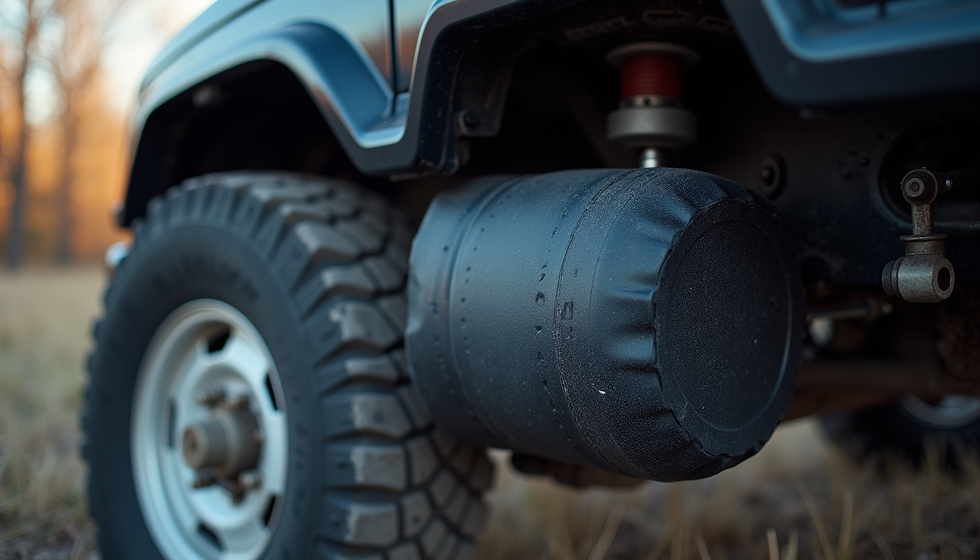
Check the bellows for cracks, splits, or abrasions. These signs indicate the airbag is aging or has been damaged.
Look for debris such as mud, rocks, or dirt on the rubber surface. These can cause wear or punctures if left unattended.
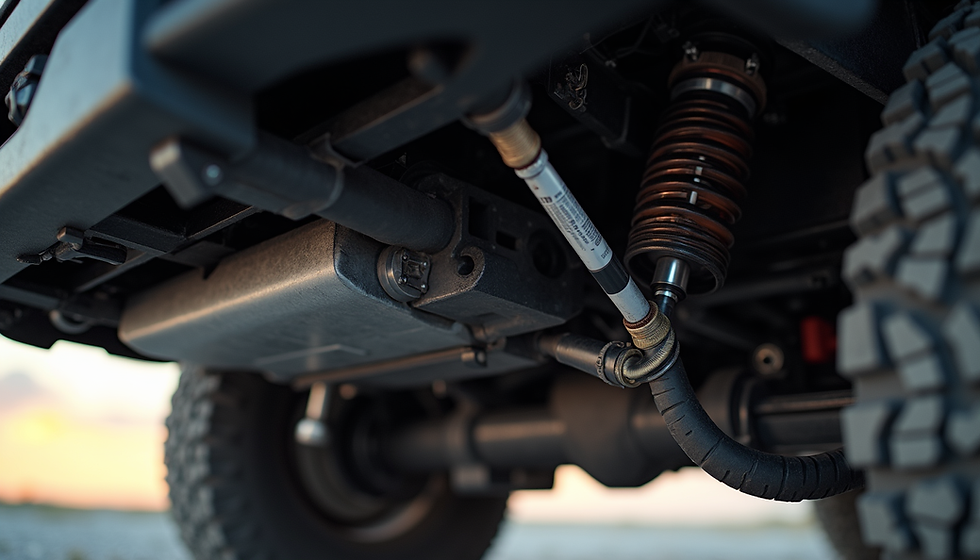
Ensure the airline is securely attached and free from damage. Loose or damaged airlines can cause leaks or failure.
Verify that nothing is rubbing against the airbags. Friction can weaken the rubber and lead to premature failure.
This simple visual check can catch problems early before they turn into costly repairs or safety issues and headaches.
Cleaning Your Airbags Safely
If you notice dirt or debris on the airbags, a gentle cleaning is all that’s needed. Use soap and water with a fine brush to remove mud or stuck-on particles. Avoid harsh chemicals or abrasive materials, as these can damage the rubber and reduce the airbag’s lifespan.
A clean airbag not only looks better but also makes it easier to spot any developing cracks or damage during your inspections.

Perform a Leak Test to Ensure Air Tightness
Leaks can develop over time in the airbags or fittings, causing the airbags to lose pressure and reduce their effectiveness. You can perform a simple leak test by:
Applying soapy water to the surface of the bellows and fittings.
Watching for bubbles that indicate escaping air.
Listening closely for any hissing sounds.
If you find leaks, it’s important to address them quickly. Small leaks are often repairable, but often the best solution is to replace the failed part such as the air fitting or airline.
Check Mounting Hardware and Alignment
The mounting hardware keeps the airbags securely in place and aligned correctly. Loose bolts or misaligned parts can cause movement that wears down the bellows or causes air leaks. During your inspection:
Tighten any loose bolts or fittings.
Confirm that the airbags are properly aligned with the suspension components.
Look for any unusual movement or shifting when the vehicle is in use.
Proper mounting ensures the airbags function as designed and last longer.

Replace Airbags in Pairs When Needed
If your airbags show signs of fatigue or damage, replacing them is the safest choice. Always replace airbags in pairs to maintain balanced suspension support. Uneven wear or mismatched airbags can affect vehicle handling and load distribution.
When to Ask for Professional Help
While most of these maintenance tasks are simple enough to do yourself, you can also ask your mechanic or local suspension or tyre shop to check your airbags during your regular service visits. Professionals can perform more detailed inspections and tests, ensuring your airbags are in top condition.
Summary
Maintaining your load assist airbags is straightforward and requires mostly visual checks and gentle cleaning. Keep an eye out for cracks, debris, and leaks, and ensure the airline and mounting hardware are secure. Replace airbags in pairs when required, as they show signs of aging and wear. These simple steps help your airbags support your vehicle safely and reliably, especially when carrying heavy loads.

Comments